Condo Interior Care Guide
Your condo contains multiple systems and components that require regular attention. This guide helps condo owners recognize common risks, perform basic maintenance checks, and understand when professional assistance may be necessary.
From plumbing and electrical systems to appliances, HVAC equipment, fire safety devices, and interior modifications, proactive care can help prevent costly damage and improve the safety and reliability of your living space.
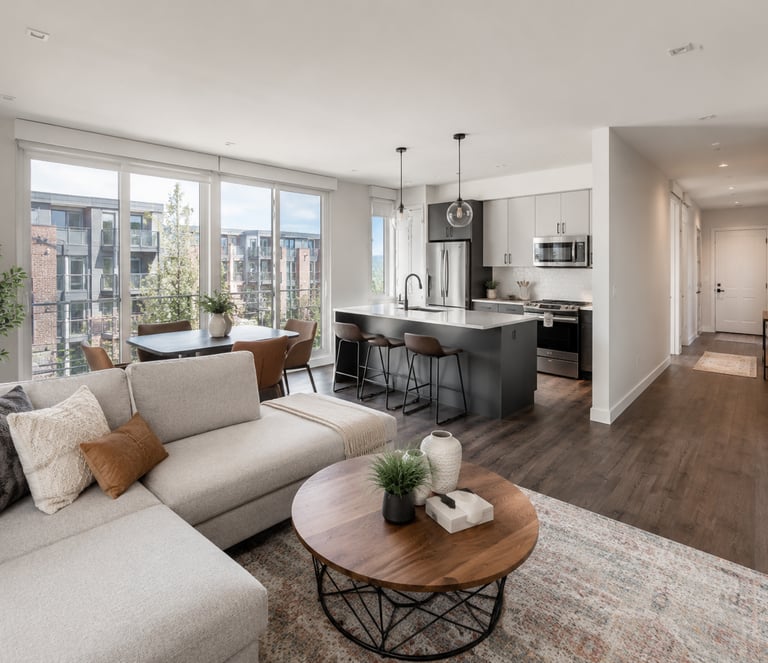
Know What to Inspect Inside Your Condo
Different areas of your condo present different maintenance risks. Understanding which components require regular attention can help you identify small problems before they lead to water damage, electrical hazards, poor indoor air quality, fire risks, or costly repairs.
Living Space Safety
Keep Your Everyday Living Areas Safe and Functional
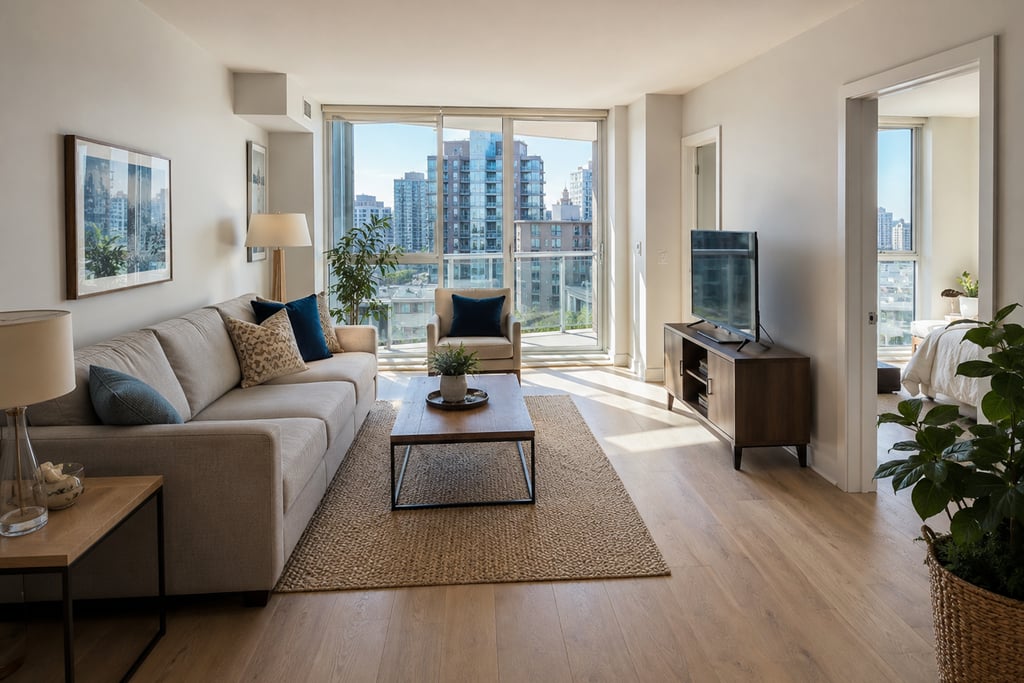
Living rooms, bedrooms, hallways, and entry areas may seem low-risk compared with kitchens or bathrooms, but poor furniture placement, blocked exits, loose fixtures, overloaded outlets, and unsecured objects can create safety hazards.
Maintaining clear pathways and regularly inspecting your living spaces can help reduce the risk of falls, fire hazards, and difficulties during an emergency evacuation.
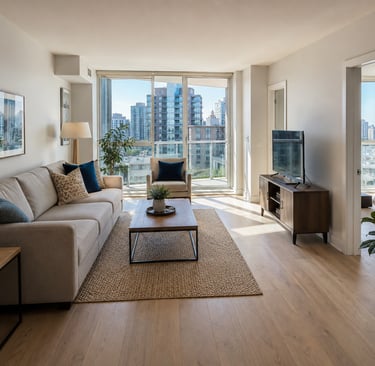
Regularly Check:
Keep hallways and exits free from furniture and storage.
Avoid running extension cords across walking paths.
Secure tall furniture and shelving where necessary.
Check rugs and flooring for trip hazards.
Keep emergency exit routes accessible.
Avoid placing furniture directly against electrical panels.
Inspect windows and doors for proper operation.
Make sure emergency lighting or flashlights are accessible.
Emergency Access Matters
Furniture, boxes, and personal belongings should never block doors, hallways, electrical panels, or other areas that may need to be accessed quickly during an emergency.
Plumbing Systems
Stop Small Leaks Before They Become Major Problems
Plumbing failures are among the most serious interior risks in condominium buildings. A leaking supply line, failed valve, overflowing fixture, or damaged drain can affect not only your own unit but also neighboring units and common areas.
Regular visual inspections can help identify moisture and deterioration before significant damage occurs.
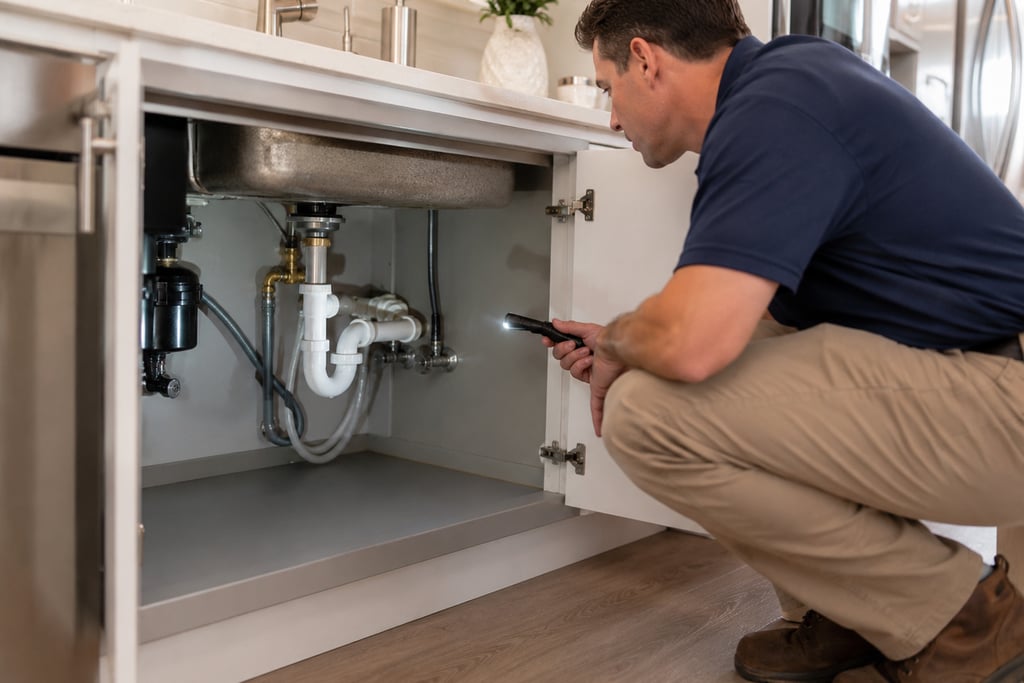
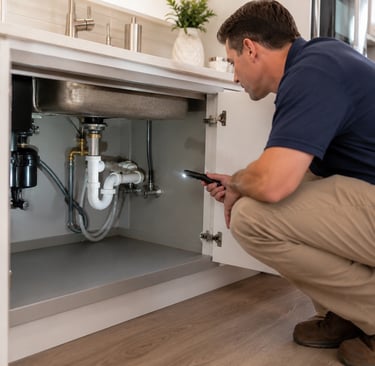
Components to Monitor
Watch for These Plumbing Warning Signs
Water stains
Damp cabinets
Musty odors
Unexpected increases in water usage
Dripping sounds
Low water pressure
Slow drains
Repeated backups
Kitchen Mastery
Maintain the Systems Behind One of Your Condo's Busiest Areas
The kitchen combines water, electricity, appliances, heat, and ventilation in a relatively small area. Because several building systems operate together, routine maintenance is essential for reducing the risk of leaks, appliance failures, electrical problems, and fires.
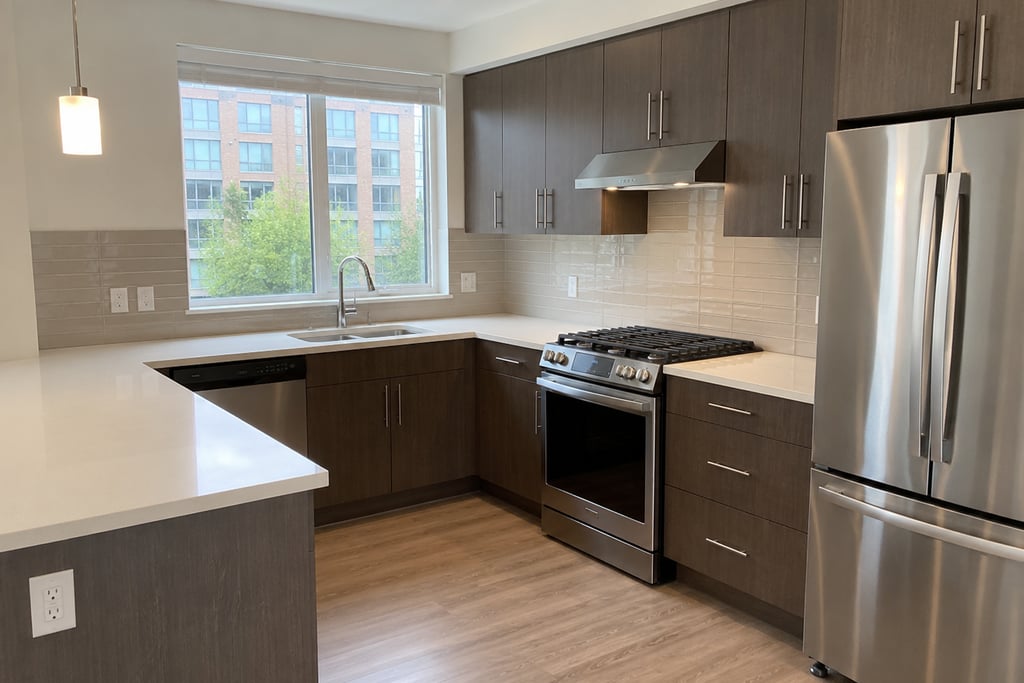
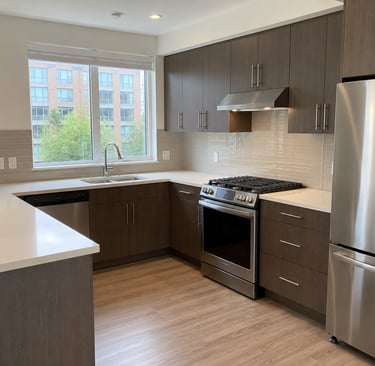
Maintenance Areas
Safety Reminders
Never ignore:
Burning odors
Sparking outlets
Repeatedly tripping breakers
Overheating appliances
Smoke from electrical components
Bathroom Reliability
Prevent Hidden Moisture and Plumbing Damage
Bathrooms are especially vulnerable to water intrusion because they contain multiple plumbing fixtures and surfaces that are regularly exposed to moisture.
Small failures around showers, tubs, toilets, sinks, and sealants can allow water to enter walls, floors, or neighboring units.
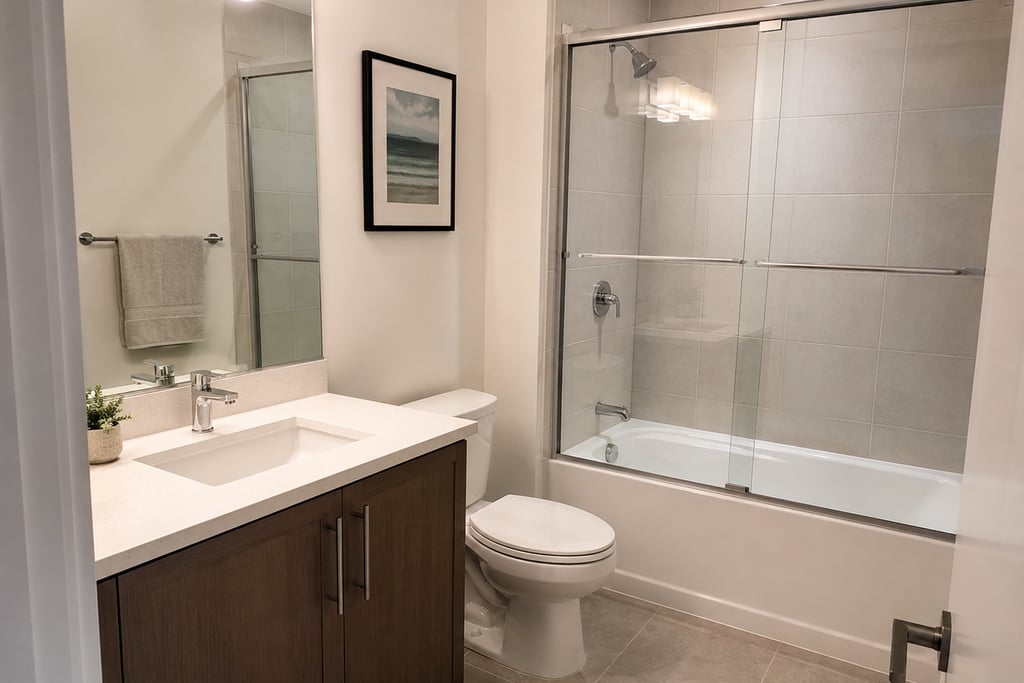
Areas to Inspect
Moisture Warning Signs
Peeling paint
Soft or swollen baseboards
Cracked sealant
Musty odors
Discolored walls
Loose tiles
Persistent humidity
Electrical Systems
Recognize Electrical Warning Signs Before They Become Emergencies
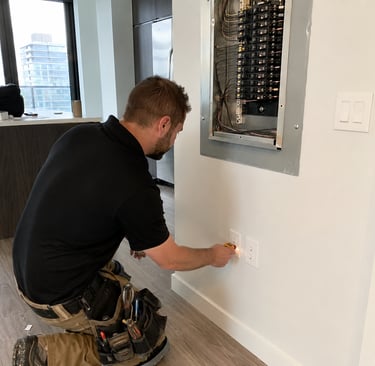
Electrical systems support nearly every part of modern condo living. Aging equipment, overloaded circuits, damaged outlets, and improper electrical modifications can create shock and fire hazards.
Condo owners should understand the location and basic operation of their electrical panel while leaving electrical repairs and modifications to qualified professionals.
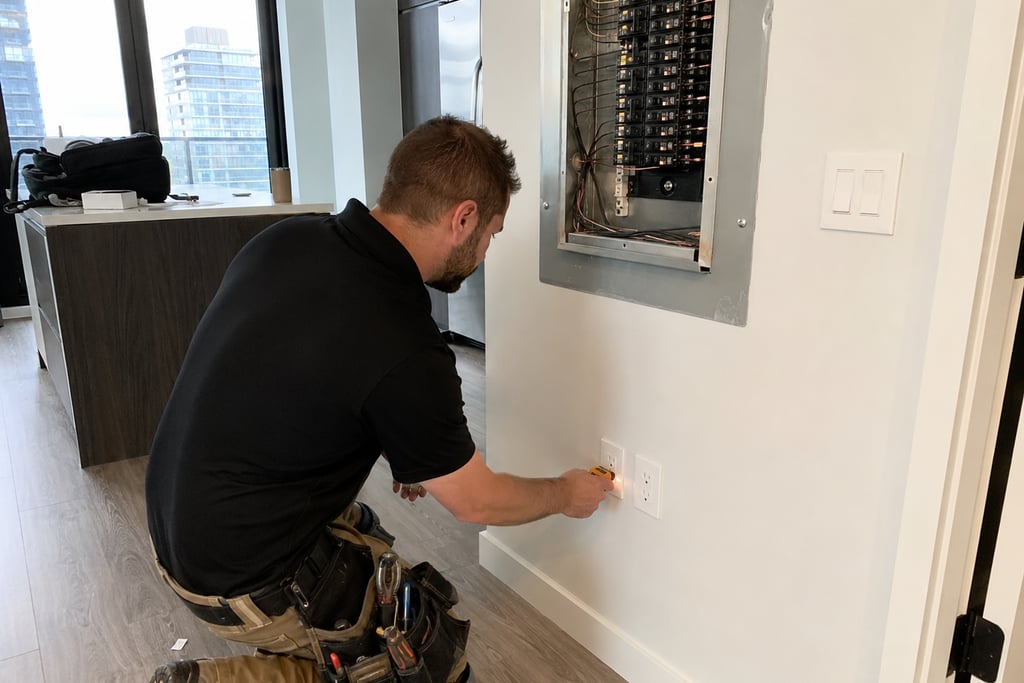
Key Areas
Electrical Safety Box
Avoid relying on extension cords or power strips as permanent electrical solutions.
HVAC and Air Quality
Maintain Comfortable Conditions and Reduce Moisture Risks
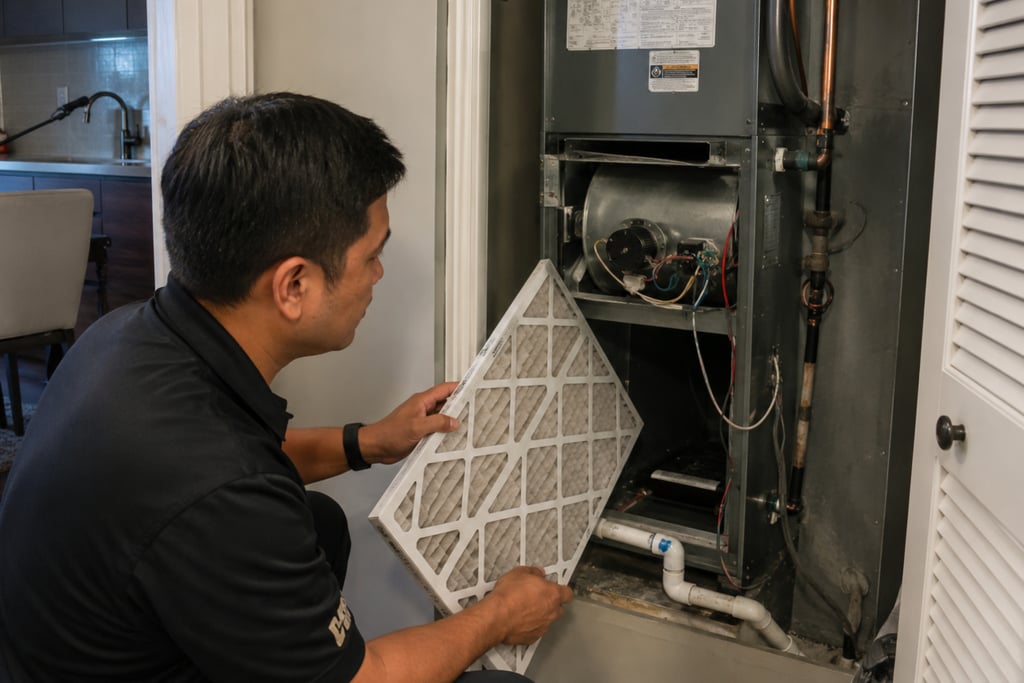
Heating, ventilation, and air-conditioning systems influence temperature, humidity, ventilation, and indoor air quality.
Poorly maintained systems may operate inefficiently, contribute to moisture problems, or negatively affect air quality.
Maintenance Checklist & Signs
Appliance Maintenance
Maintain the Equipment That Can Cause Hidden Leaks and Fire Risks
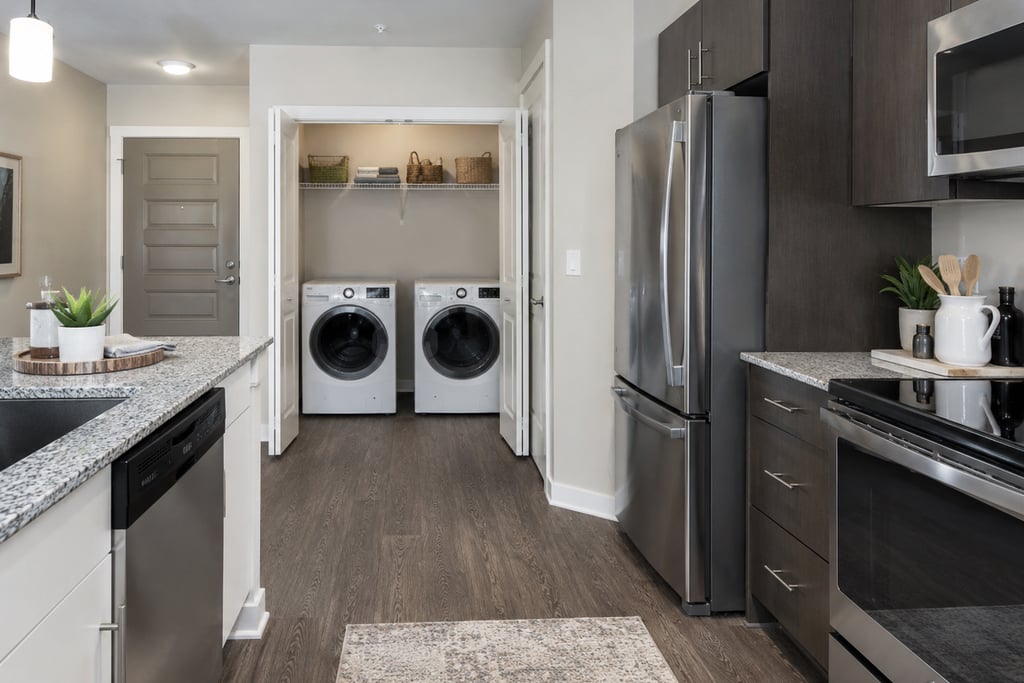
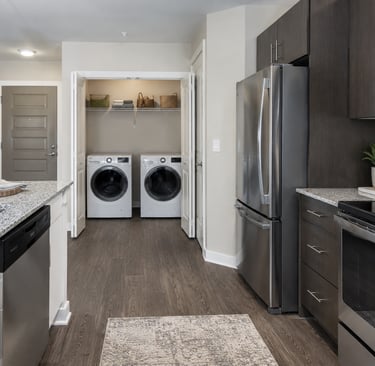
Appliances connected to water, electricity, heat, or ventilation can create significant risks when components deteriorate or maintenance is neglected.
Routine inspections may help identify problems before an appliance fails.
Appliance Checklist
Fire Safety Systems
Make Sure Your Life-Safety Devices Are Ready When Needed
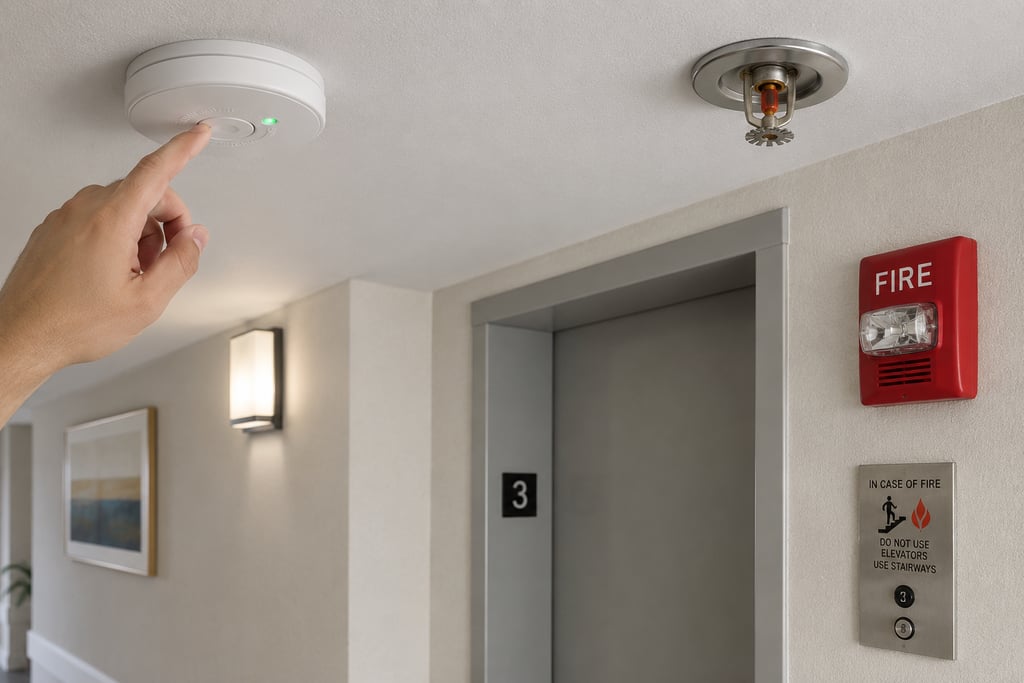
Smoke alarms and fire protection systems play an important role in protecting condo residents during emergencies.
Owners should understand which devices are located inside their units and which systems may be maintained by the condominium association or building management.
Do Not Modify Building Fire Protection Systems Without Authorization
Fire sprinklers and other life-safety systems may be part of the building's shared infrastructure and should only be serviced by qualified professionals.
Structural Integrity and Interior Modifications
Be Cautious Before Altering Walls or Building Components
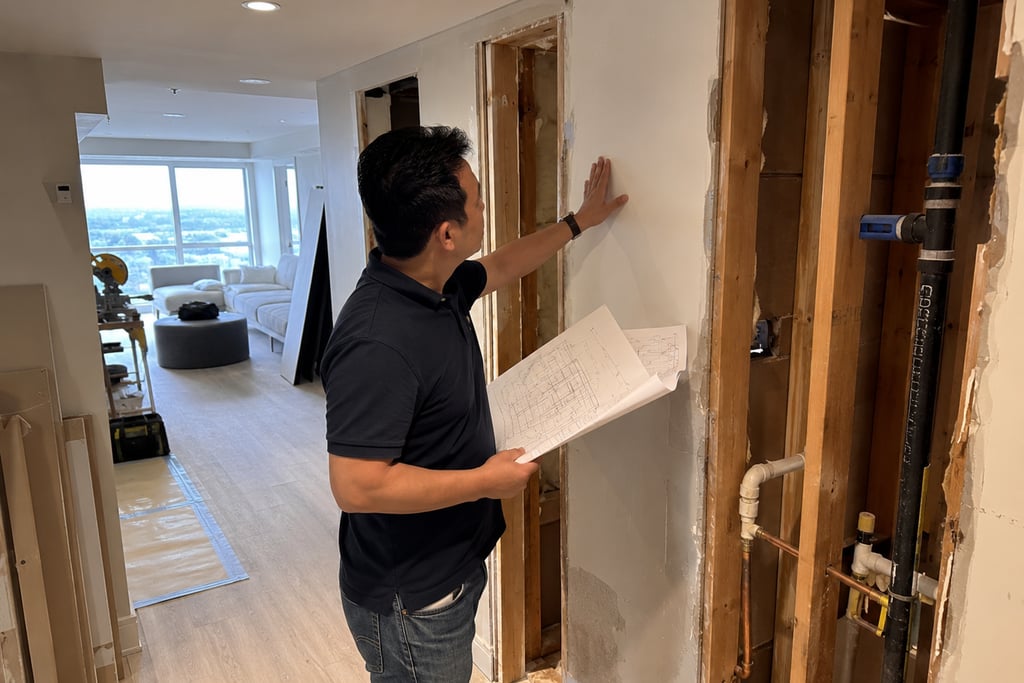
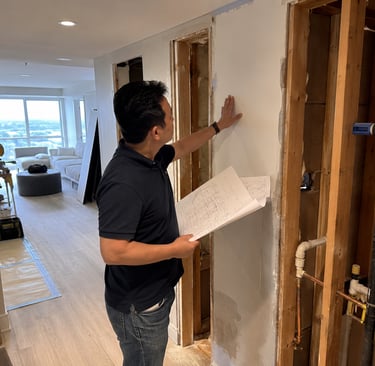
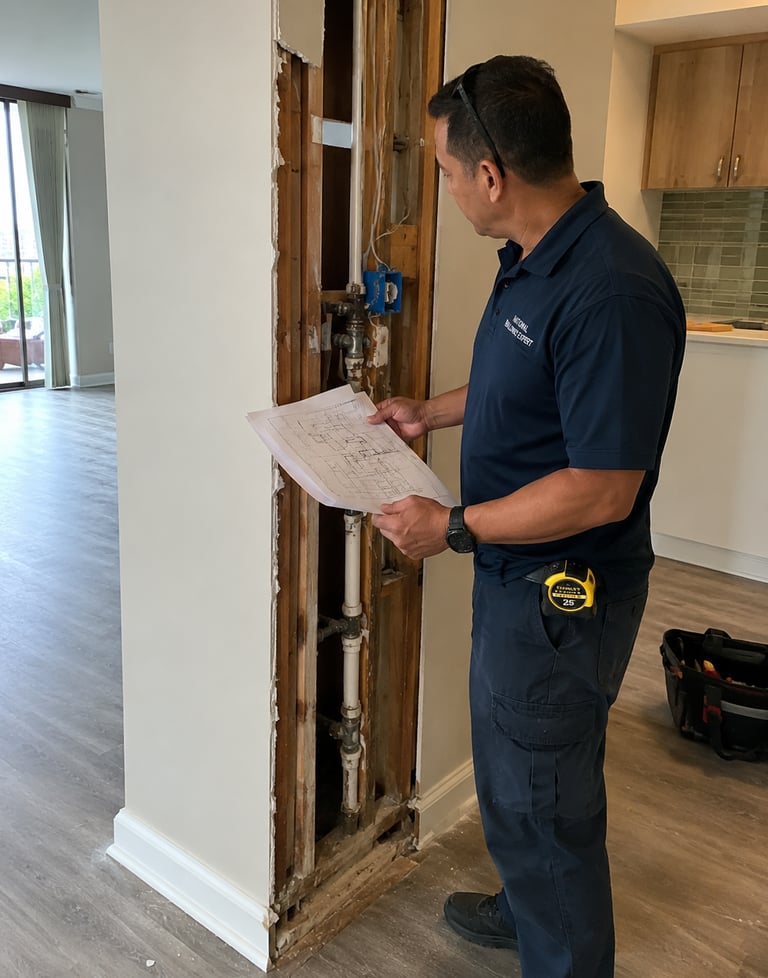
Interior renovations can affect more than the appearance of a condo. Walls may contain electrical wiring, plumbing, fire-rated assemblies, structural components, or building systems serving other areas.
Condo owners should understand the potential impact of renovations before removing walls, cutting into surfaces, or making significant modifications.
When to Call a Professional
Know When a Problem Needs Professional Attention
Basic visual inspections are helpful, but some warning signs require professional evaluation. Delaying investigation may allow damage to spread or create additional safety concerns.
Condo Interior Maintenance Checklist

Use this basic checklist as a starting point for routine visual inspections.
Protect Your Condo Through Proactive Maintenance
You do not need to wait for visible damage before taking action. Routine inspections, proper maintenance, and early investigation of warning signs can help protect your unit, neighboring properties, and the building as a whole.
ADDRESS
820 W Hind Dr, Honolulu, HI 96821, USA
FOLLOW